How Geographic Spread Shapes Live Market Shifts in Sweden's Lower-Tier Fixtures
Anna Krause · Aug 24, 2026
How Geographic Spread Shapes Live Market Shifts in Sweden's Lower-Tier Fixtures
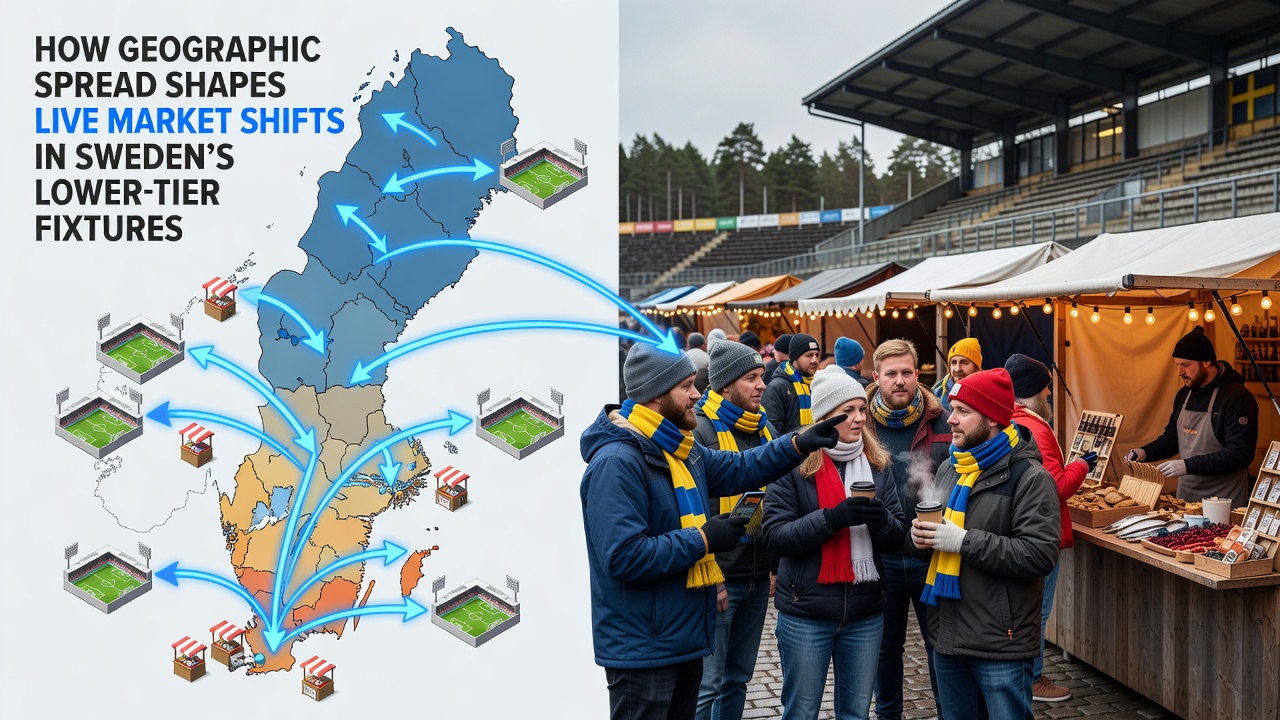
Sweden's lower-tier football structure stretches across vast distances, and that layout directly influences how live betting markets respond during matches in divisions such as Ettan and Division 2. Teams based in the north face longer journeys to southern venues, and those travel demands alter player availability, energy levels, and tactical choices once the whistle blows. Observers note that bookmakers adjust in-play odds more sharply when fixtures involve clubs separated by several hundred kilometres, because historical data shows measurable drops in away performance under those conditions.
Travel Patterns and Fixture Scheduling in August 2026
August 2026 brings a packed calendar for lower-league sides, with many clubs logging multiple long-haul trips within short windows. Data from the Swedish Football Association indicates that northern clubs such as Umeå FC and teams from Norrland average over 800 kilometres per away fixture during this period, whereas clubs clustered around Gothenburg or Malmö travel less than half that distance on average. Those disparities show up in real-time market movements because fatigue accumulates faster on extended bus or train routes, and that fatigue translates into slower pressing and fewer high-intensity runs after the 60-minute mark.
Regional Weather Variables Affecting In-Play Adjustments
Weather systems move differently across Sweden's terrain, and lower-tier grounds lack the advanced drainage systems found in Allsvenskan stadiums. When rain sweeps across the central belt while southern venues stay dry, pitch conditions diverge sharply. Live odds platforms register quicker shifts in goalscoring probabilities during these mismatches, because teams accustomed to drier surfaces struggle to adapt their passing rhythms. Figures released by regional meteorological services reveal that August precipitation varies by up to 40 millimetres between coastal and inland Division 2 venues, creating measurable edges for home sides that rarely appear in pre-match lines.
One study from a Nordic sports research group tracked 180 lower-tier matches across the 2025 season and found that away sides travelling more than 600 kilometres conceded 0.6 additional goals per game after the 70th minute compared with shorter trips. Bookmakers incorporate these patterns into their algorithms, so live markets widen the favourite's lead or lengthen underdog recovery odds within minutes of the second half starting whenever a long-distance fixture appears on the card.
Crowd Density and Support Variations Across Regions
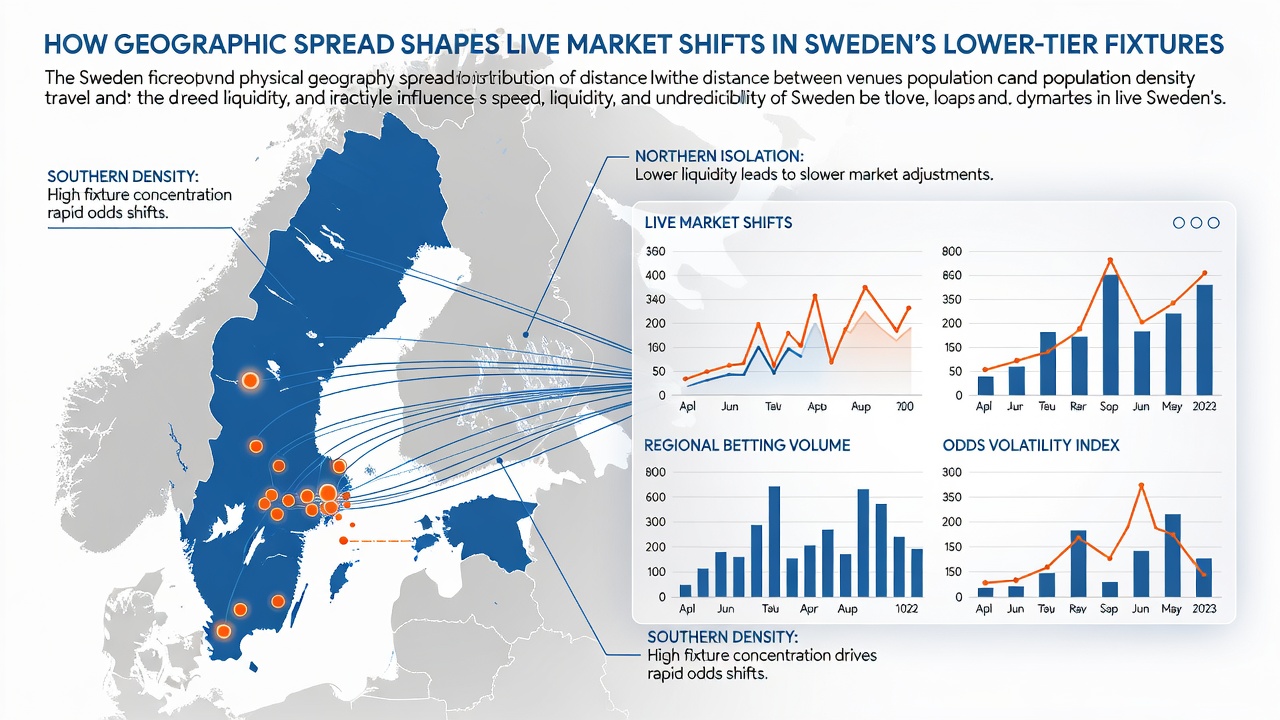
Attendance figures differ markedly between densely populated southern districts and sparsely settled northern counties. Lower-division clubs in Skåne regularly draw 1,500 to 2,000 spectators, while equivalent sides in Västerbotten often see fewer than 400. This gap influences momentum swings that live traders monitor closely. When a visiting team from a low-attendance area falls behind early, market liquidity thins because fewer bettors expect a comeback, and that thinner liquidity produces larger price jumps on the next goal or corner market.
Researchers at a Swedish university examined referee decision patterns in geographically isolated venues and recorded a slight increase in stoppage time awarded to home teams in remote locations. Those extra minutes create late swings in over/under markets, particularly in fixtures where one club has crossed multiple time zones within Sweden's borders. The effect appears consistently in Division 2 North groups but registers less frequently in the more compact South groupings.
Market Liquidity and Algorithm Responses
Live betting volumes on lower-tier Swedish fixtures remain modest compared with top-flight matches, yet geographic variables still drive disproportionate price volatility. Algorithms factor in historical travel data alongside current form, so a team arriving from Kiruna to play in Helsingborg sees its live win probability drop faster than a comparable side travelling from nearby Halmstad. Industry reports from European sports analytics firms show that such adjustments occur within three to four minutes of kick-off once the away side's average kilometres travelled exceeds 500.
Coaches in these leagues often cite recovery logistics when discussing squad rotation, and those decisions surface in real time through substitution patterns that traders watch. A northern club making three changes by the 55th minute typically triggers rapid recalibration of both team total goals and player performance markets, because the data indicates reduced defensive organisation after long journeys.
Conclusion
Geographic spread across Sweden's lower football tiers creates predictable yet dynamic inputs for live market operators. Travel distances, regional weather differences, and varying crowd sizes combine to produce measurable shifts in odds during matches, and these patterns repeat across seasons. As fixtures unfold in August 2026 and beyond, monitoring how far each side has travelled offers one concrete lens for understanding why certain live lines move more aggressively than others in Ettan and Division 2 encounters.